Lucy Collins: Running a user research agency
Think user research is just watching people click around? Lucy Collins, Director of Web Usability, explains why it’s the fastest way to find out what’s stopping customers from completing their task. We also talk about designing from the edge, why “little and often” beats the big research project, and juggling two businesses.
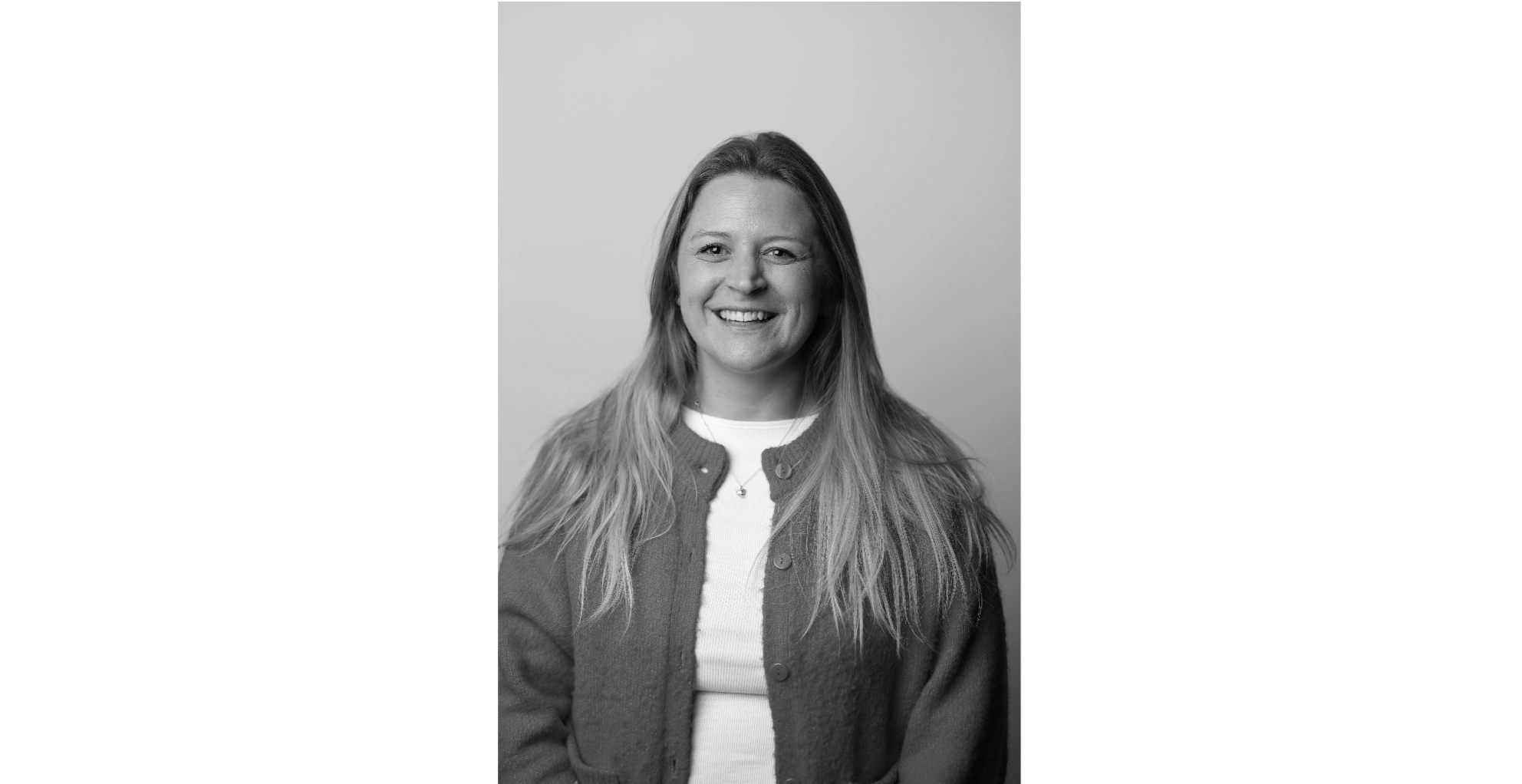
What’s the most straightforward way to explain who you are and what you do?
We find out why your website isn't working (and how to make it better) by observing the people who use it (i.e. your customers!).
Why do you do what you do?
We should all be able to go online and complete the task we set out to achieve, whether that is buying clothes, booking a holiday or searching for information. However, too often a website is frustrating and for some people, downright impossible to use. This is typically because it has been built without the involvement of the people who use it. We have the wonderful job of bringing customers into the conversation - digging into what they need, exploring how well current and new digital experiences meet those needs and spotting the opportunities for businesses to create a better, more effective online presence.
What can user research reveal to a client that they might otherwise miss?
We all have a mental model, a perception of the way the world works. It is informed (among many things) by the life we've lived, the culture we've grown up in and any privilege or exclusion we've experienced. It is also totally unique to each of us. This means when we design and build digital experiences, we do so from that mental model. Even when our intentions are good, we often end up building experiences that don't work for lots of people. User research challenges those mental models, enabling you to see the online world through a different lens, highlighting barriers and opportunities that may not be obvious to you and your business. We typically find issues with how content is written, the way navigation links are structure and labelled and the look and feel of the design. These are issues that at best cause some irritation but, at worse, stop customers achieving their online task, often meaning they walk away from your business (taking their money with them!).
How does accessibility and inclusive design change the way clients think about their users?
We love working with clients on inclusive research projects and bringing the opinions and lived experience of disabled people into the rooms where decisions are made. The gap between the mental model of people building digital products and the experiences of disabled people using them is often vast, which is why so much of the online world is not accessible. The moment when designers, developers and content editors see what it's like to navigate a website with a screen reader or process content when your brain works in a different way is really special. Often, it can spark a real interest in accessibility and cause a mindset shift, with teams realising that designing from the edge, for those who have the most complex access needs, actually benefits everyone using an online service.
What's one thing you would recommend to a client on how and where to start with user research?
When it comes to user research, little and often is the best approach. Ahead of building a new experience, take some time to understand what your customers need. During the build, test it regularly at wireframes, prototypes and pre-launch stage. Once launched, continue to develop a feedback loop with customers to identify barriers before they become an issue pinpoint the opportunities to make an online experience even more effective.
What's next for you and Web Usability?
As digital as we know it changes rapidly around us, we at Web Usability retain the core belief that we will always need to understand how people interact with the online world (even if it no longer resemble what we currently have!). So first and foremost, we will continue to deliver robust and inclusive research with people to empower organisations to make fast and confident digital decisions.
Alongside this we are, of course, exploring how we evolve to stay relevant and we are very excited to have recently launched Collectivally - a joint venture with Bodkin. This accessibility testing platform uses research-informed AI personas to pressure test digital experiences through different accessibility lenses, challenging mental models and making inclusive thinking part of every digital decision. For me, the priority will continue to be working towards our vision of an equitable online world while somehow managing the juggle of running two businesses and parenting two young girls. Wish me luck!
Links: Keep up to date with Lucy and Web Usability
Website - https://www.webusability.co.uk/
Linkedin - https://www.linkedin.com/in/lucygcollins